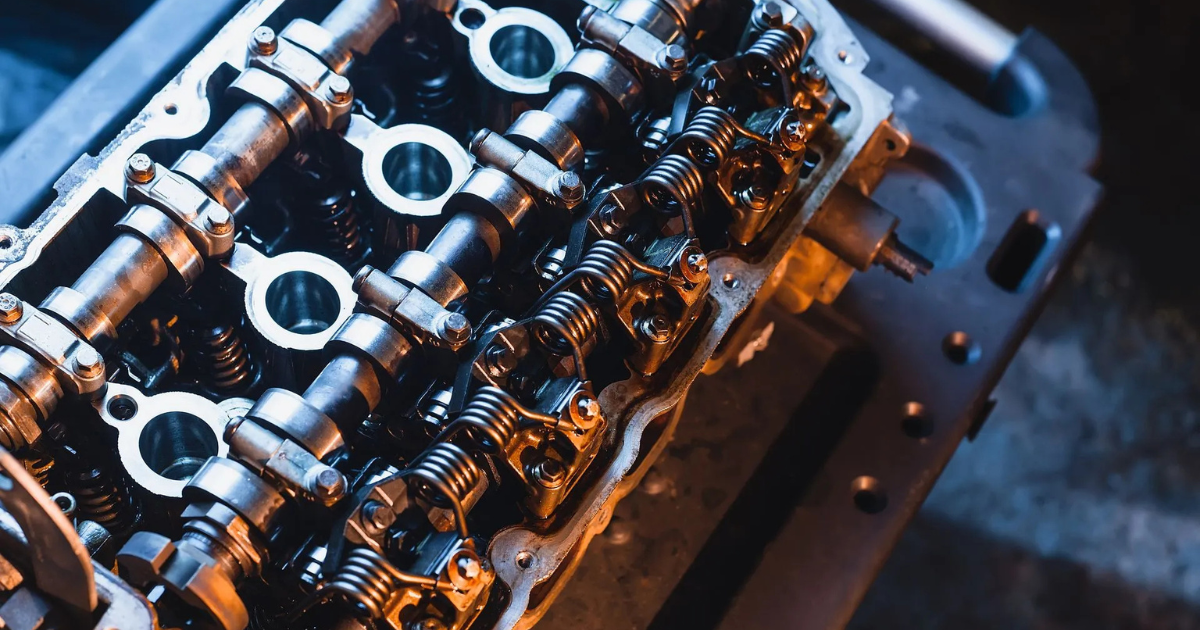
Car engines are the heart of every vehicle, converting fuel into the power that moves you forward. Over the years, automotive technology has evolved significantly, resulting in a wide variety of engine types designed for different needs, from performance to fuel efficiency and environmental sustainability. Understanding these engine types can help you make better decisions when buying or maintaining a car.
Internal Combustion Engines (ICE)
The most common type of engine found in vehicles today is the internal combustion engine. These engines generate power by burning fuel—usually petrol (gasoline) or diesel—inside a combustion chamber.
Petrol Engines:
Petrol engines are widely used in passenger cars. They are known for smooth operation, quick acceleration, and relatively lower noise levels. These engines use spark plugs to ignite the air-fuel mixture, making them efficient for everyday driving.
Diesel Engines:
Diesel engines, on the other hand, rely on high compression to ignite fuel without spark plugs. They are more fuel-efficient than petrol engines and produce higher torque, making them ideal for heavy vehicles like trucks and buses. However, they tend to be noisier and more expensive to maintain.
Hybrid Engines
Hybrid engines combine a traditional internal combustion engine with an electric motor. This combination improves fuel efficiency and reduces emissions.
There are different types of hybrid systems:
- Full Hybrids: Can run on either the engine, the electric motor, or both.
- Mild Hybrids: Use the electric motor only to assist the engine, not to power the car independently.
- Plug-in Hybrids (PHEVs): Allow you to charge the battery externally and drive short distances using only electric power.
Hybrid vehicles are becoming increasingly popular as they offer a balance between performance and environmental friendliness.
Electric Engines (EVs)
Electric vehicles (EVs) use electric motors powered by rechargeable batteries instead of fuel. These engines produce zero tailpipe emissions, making them environmentally friendly.
EVs are known for their quiet operation, instant torque, and low maintenance requirements since they have fewer moving parts. However, they depend on battery capacity and charging infrastructure, which can limit long-distance travel in some regions.
Inline Engines
Inline engines, also known as straight engines, have all their cylinders arranged in a single line. This is one of the simplest and most commonly used engine configurations.
- Inline-3: Found in small, fuel-efficient cars.
- Inline-4: The most common configuration in modern vehicles.
- Inline-6: Known for smooth performance and balance, often used in luxury or performance cars.
Inline engines are compact, easy to manufacture, and cost-effective.
V-Type Engines
V-type engines have cylinders arranged in two banks forming a “V” shape. This design allows more cylinders to fit into a smaller space, making it popular for high-performance vehicles.
Common types include:
- V6 Engines: Offer a good balance between power and efficiency.
- V8 Engines: Known for high power output and used in sports cars and trucks.
- V12 Engines: Found in luxury and high-performance vehicles, delivering exceptional power and smoothness.
These engines are more complex but provide greater performance.
Rotary Engines
Rotary engines, also known as Wankel engines, use a rotating triangular rotor instead of traditional pistons. This design allows for fewer moving parts and a compact size.
Rotary engines are lightweight and capable of high RPMs, making them suitable for sports cars. However, they are less fuel-efficient and can be harder to maintain, which has limited their widespread use.
Boxer Engines
Boxer engines have cylinders arranged horizontally in two opposing banks. The pistons move in and out like a boxer’s fists, which is how the engine gets its name.
This layout provides better balance and a lower center of gravity, improving vehicle stability and handling. Boxer engines are commonly used in certain performance and all-wheel-drive vehicles.
Conclusion
Car engines come in many shapes and sizes, each designed to meet specific performance, efficiency, and environmental needs. From traditional internal combustion engines to modern electric and hybrid systems, the evolution of engine technology continues to shape the future of transportation.
By understanding these different types of engines, you can better appreciate how vehicles work and choose the one that best suits your driving style and lifestyle.