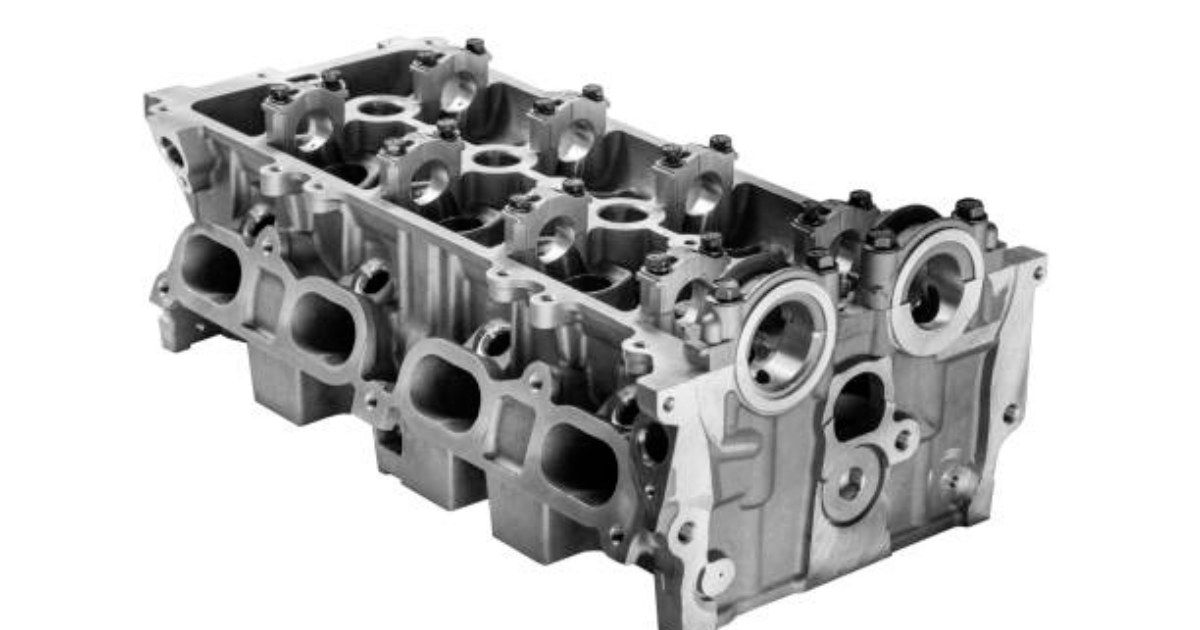
The cylinder head is one of the most critical components of an internal combustion engine. Positioned on top of the engine block, it plays a vital role in sealing the combustion chamber and controlling airflow in and out of the engine. Without a properly functioning cylinder head, an engine cannot perform efficiently or reliably. Understanding its basics helps you grasp how engines generate power and maintain performance.
What is a Cylinder Head?
A cylinder head is a solid metal component that sits above the engine block and encloses the top of the cylinders. Together with the pistons and cylinder walls, it forms the combustion chamber where the air-fuel mixture is ignited.
Cylinder heads are typically made from cast iron or aluminum. Modern vehicles mostly use aluminum because it is lightweight and dissipates heat more effectively, improving overall engine efficiency.
Main Functions of a Cylinder Head
The cylinder head performs several essential tasks that directly affect engine performance:
1. Sealing the Combustion Chamber
The cylinder head forms a tight seal with the engine block using a head gasket. This seal ensures that the combustion process remains contained, allowing pressure to build and generate power.
2. Controlling Airflow
It houses intake and exhaust ports that allow air and fuel to enter the combustion chamber and exhaust gases to exit. Efficient airflow is crucial for proper combustion and engine performance.
3. Supporting Valves and Spark Plugs
The cylinder head contains valves, spark plugs (in petrol engines), and sometimes fuel injectors. These components regulate the timing of air intake, fuel injection, and exhaust release.
4. Heat Dissipation
Since combustion generates intense heat, the cylinder head includes coolant passages to help regulate temperature and prevent overheating.
Key Components of a Cylinder Head
A cylinder head is not just a solid piece of metal—it contains several integrated parts:
- Valves: Control the intake of air-fuel mixture and the release of exhaust gases
- Valve Springs: Ensure valves open and close correctly
- Camshaft (in many designs): Controls valve timing in overhead cam engines
- Spark Plugs: Ignite the air-fuel mixture in petrol engines
- Fuel Injectors: Deliver fuel directly into the combustion chamber in modern engines
- Combustion Chamber: The space where fuel is burned to produce power
Each of these components must work precisely to ensure smooth engine operation.
Types of Cylinder Head Designs
Cylinder heads vary depending on engine configuration and design requirements:
Flathead Design
An older design where valves are located in the engine block rather than the cylinder head. While simple, it is less efficient and rarely used in modern vehicles.
Overhead Valve (OHV) Design
In this design, the valves are located in the cylinder head, but the camshaft is positioned in the engine block. Pushrods are used to operate the valves.
Overhead Cam (OHC) Design
Modern engines often use OHC designs, where the camshaft is located in the cylinder head itself. This allows for more precise valve control and better performance.
- Single Overhead Cam (SOHC): One camshaft controls all valves
- Double Overhead Cam (DOHC): Two camshafts improve efficiency and power
Common Materials Used
Cylinder heads are usually made from:
- Cast Iron: Durable and resistant to wear but heavier
- Aluminum Alloy: Lightweight and better at heat dissipation
The choice of material depends on the type of engine and its intended performance.
Common Issues with Cylinder Heads
Over time, cylinder heads can develop problems due to heat and pressure:
- Warping: Caused by overheating
- Cracks: Often due to thermal stress
- Blown Head Gasket: Leads to loss of compression and coolant leaks
Regular maintenance and proper cooling system care can help prevent these issues.
Conclusion
The cylinder head is a vital component that plays a central role in engine performance, efficiency, and reliability. From sealing the combustion chamber to controlling airflow and housing critical parts, its functions are essential for smooth operation.
As engine technology continues to evolve, cylinder head designs are becoming more advanced, improving fuel efficiency and reducing emissions. For anyone interested in automotive engineering or vehicle maintenance, understanding cylinder head basics is an important step toward mastering how engines work.