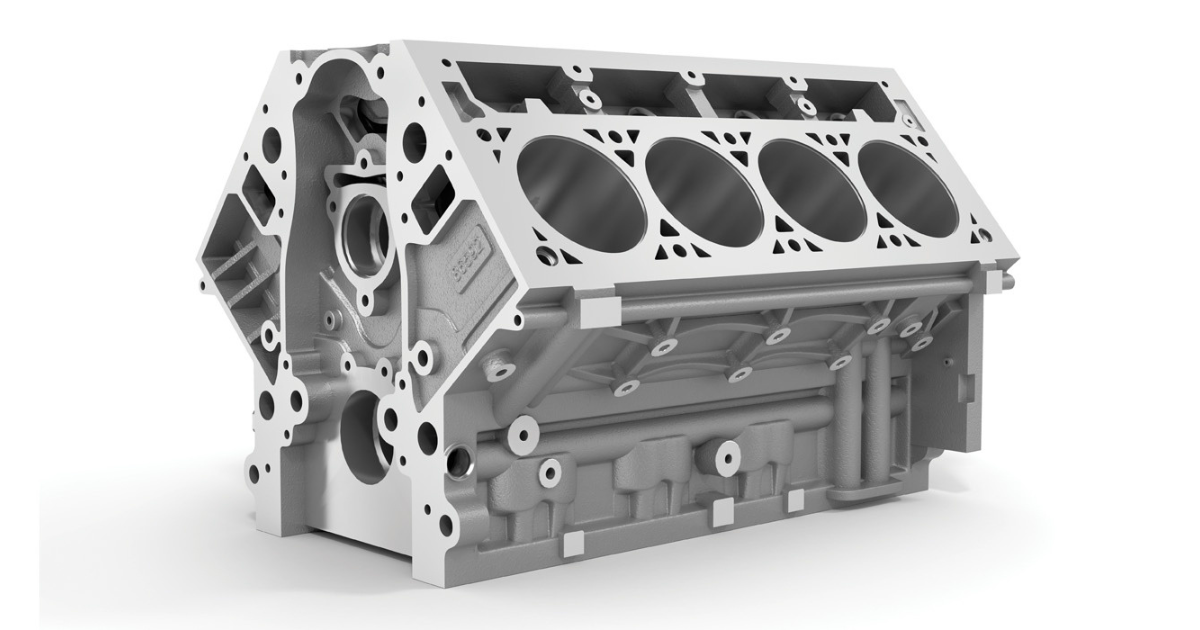
The engine block is the foundation of any internal combustion engine, serving as the main structure that holds all critical components together. Often referred to as the backbone of the engine, it plays a crucial role in ensuring performance, durability, and efficiency. Understanding the functions and design of an engine block can help you better appreciate how a vehicle operates and why this component is so essential.
What is an Engine Block?
An engine block is a large metal casting that contains the cylinders, where fuel combustion occurs. It also houses important internal passages for coolant and oil circulation. Typically made from cast iron or aluminum alloys, the engine block is designed to withstand extreme temperatures and pressures generated during engine operation.
The material choice affects the engine’s weight and heat dissipation. Cast iron is strong and durable, while aluminum is lighter and offers better heat transfer, making it popular in modern vehicles.
Key Functions of an Engine Block
The engine block performs several vital functions that ensure the smooth operation of an engine:
1. Housing the Cylinders
The block contains cylindrical chambers where pistons move up and down. These cylinders are precisely machined to allow efficient combustion and minimal friction.
2. Supporting Engine Components
It provides mounting points for critical parts such as the crankshaft, cylinder head, and camshaft. Without a solid engine block, these components could not function in synchronization.
3. Heat Management
During combustion, engines produce a significant amount of heat. The engine block includes channels known as water jackets, which allow coolant to circulate and absorb excess heat, preventing overheating.
4. Lubrication Pathways
Oil passages are built into the block to ensure that moving parts such as pistons and crankshafts receive proper lubrication. This reduces wear and extends engine life.
5. Structural Integrity
The engine block maintains the alignment of all internal components under high pressure and stress, ensuring smooth and efficient engine performance.
Types of Engine Block Designs
Engine blocks come in different configurations depending on engine type and application:
Inline Engine Block
In this design, all cylinders are arranged in a straight line. It is simple, compact, and commonly used in everyday vehicles due to its cost-effectiveness and ease of maintenance.
V-Type Engine Block
This design features cylinders arranged in two banks at an angle, forming a “V” shape. It allows more cylinders in a smaller space and is commonly used in performance and luxury vehicles.
Flat (Boxer) Engine Block
Here, cylinders are arranged horizontally on opposite sides. This design lowers the vehicle’s center of gravity, improving stability and handling.
Engine Block Components
Several important components are integrated into the engine block:
- Cylinders: Where combustion takes place
- Crankcase: Houses the crankshaft and converts piston motion into rotation
- Water Jackets: Coolant channels for temperature regulation
- Oil Galleries: Pathways for engine oil circulation
- Deck Surface: The top surface where the cylinder head is mounted
Each of these elements is carefully engineered to work together seamlessly.
Design Considerations
Modern engine block design focuses on improving efficiency, reducing weight, and enhancing durability. Engineers must consider factors such as:
- Thermal Expansion: Materials must handle temperature changes without warping
- Strength vs. Weight: Balancing durability with fuel efficiency
- Manufacturing Techniques: Precision casting and machining for accuracy
- Emission Standards: Supporting cleaner combustion and reduced emissions
Advanced technologies like computer-aided design (CAD) and improved metallurgy have significantly enhanced engine block performance.
Conclusion
The engine block is much more than just a metal casing—it is the core structure that supports and integrates all engine functions. From housing the cylinders to managing heat and lubrication, its role is vital in ensuring a vehicle’s reliability and performance.
As automotive technology continues to evolve, engine block designs are becoming lighter, stronger, and more efficient. Whether in traditional combustion engines or hybrid systems, the engine block remains a key component that drives innovation in the automotive world.