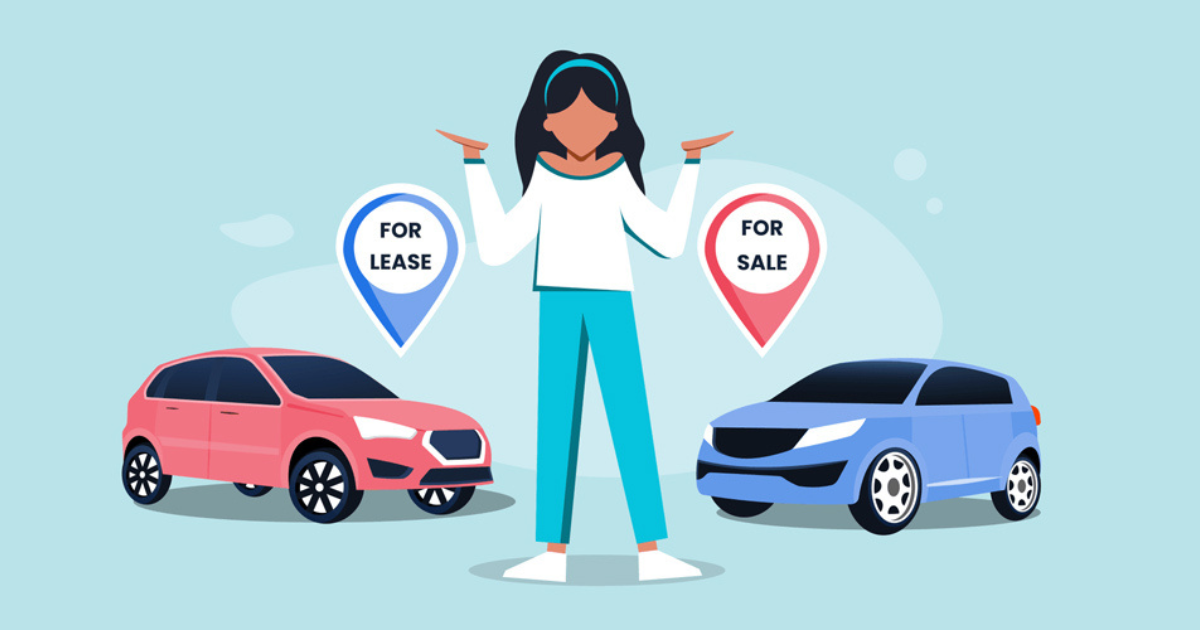
When it comes to getting a new car, you have two main options: leasing or financing. Both allow you to drive a vehicle without paying the full price upfront, but they work in very different ways. Choosing the right option depends on your budget, driving habits, and long-term goals. Understanding the differences between leasing and financing can help you make a smarter decision.
What is Financing a Car?
Financing a car means taking out a loan to buy it. You either pay a down payment upfront or finance the entire cost, and then make monthly payments until the loan is fully repaid. Once the loan is paid off, you own the car outright.
Car financing can be done through banks, credit unions, or dealership financing programs. Interest rates, loan terms, and credit history affect how much you pay over time.
How Financing Works
- Choose Your Car: Decide on a car within your budget.
- Apply for a Loan: Submit your financial information to a lender.
- Loan Approval: If approved, the lender gives you the funds to buy the car.
- Repayment: Make monthly payments covering principal and interest until the loan is paid off.
- Ownership: After the final payment, the car is yours.
Financing is ideal for those who want long-term ownership and don’t mind paying higher monthly installments compared to leasing.
What is Leasing a Car?
Leasing is similar to renting a car for a set period, usually 2–4 years. You pay a monthly fee to use the vehicle, but you don’t own it. At the end of the lease, you can return the car, buy it at a predetermined price, or lease a new vehicle.
Leasing is popular among drivers who want a new car every few years and prefer lower monthly payments. However, leases often have mileage limits and require the car to be returned in good condition.
How Leasing Works
- Select a Car: Choose a car you want to lease.
- Agree on Terms: Set the lease duration, mileage limits, and monthly payment.
- Monthly Payments: Pay for the depreciation of the car during the lease period plus interest and fees.
- End of Lease: Return the car, buy it, or lease a new vehicle.
Leasing allows you to drive newer models with less upfront cost but does not build equity since you never own the car.
Key Differences Between Leasing and Financing
Ownership: Financing results in full ownership after loan repayment, while leasing only allows temporary use.
Monthly Payments: Lease payments are generally lower than financing payments because you’re only paying for the car’s depreciation during the lease term.
Mileage Restrictions: Leases often have limits on how many miles you can drive per year. Financing has no such restrictions.
Maintenance and Repairs: Lease agreements may require stricter maintenance, and excessive wear can result in extra charges. Owned cars allow more flexibility.
Flexibility: Financing gives you freedom to modify, sell, or keep the car. Leasing has restrictions on modifications and requires returning the vehicle.
Long-Term Cost: Financing may cost more monthly but is often cheaper in the long run if you keep the car for several years. Leasing may be cheaper short-term but can be more expensive if you continuously lease new vehicles.
Which Option is Right for You?
- Choose Financing If: You want long-term ownership, plan to keep the car for many years, or drive a lot of miles.
- Choose Leasing If: You prefer lower monthly payments, want a new car every few years, or don’t drive excessive miles.
Your choice should also consider your budget, lifestyle, and financial goals.
Conclusion
Leasing and financing are two different ways to get a car, each with advantages and disadvantages. Financing provides ownership and long-term value, while leasing offers lower payments and short-term flexibility. By understanding how each works, you can make an informed decision that fits your lifestyle and financial situation.
Whether you choose to lease or finance, planning your budget and knowing the terms of your agreement will ensure a smooth car ownership experience.