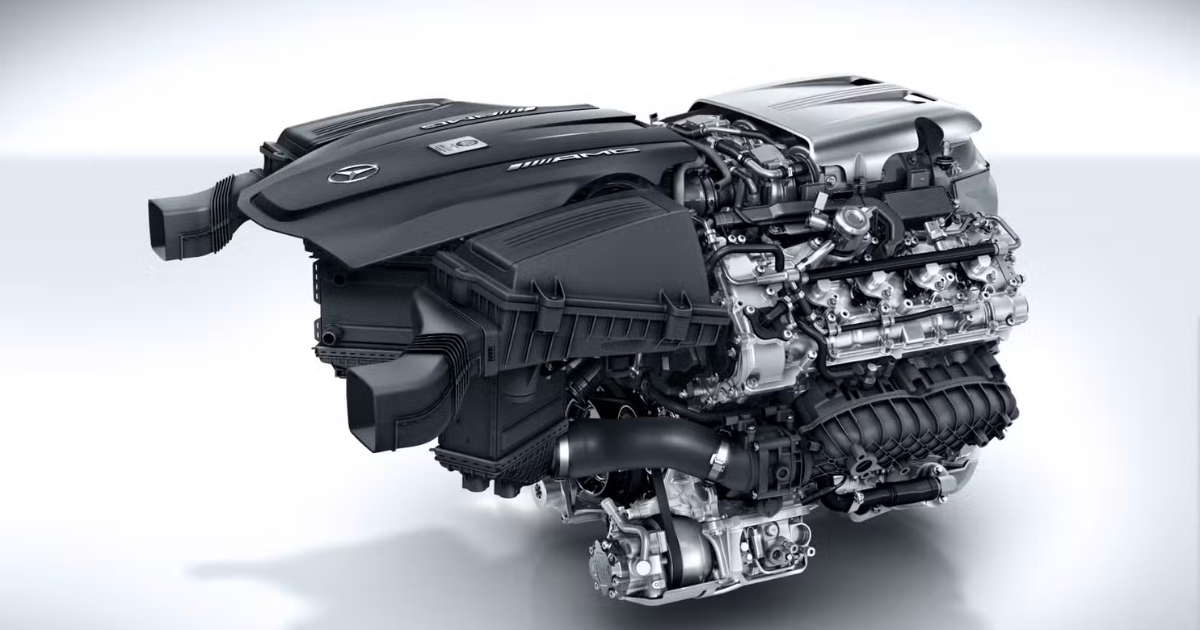
A car engine is the heart of any vehicle, responsible for generating the power needed to move it. Whether you are driving a small city car or a high-performance vehicle, the engine plays a central role in converting energy into motion. Understanding how a car engine works not only improves your knowledge of automobiles but also helps you maintain your vehicle more effectively.
What is a Car Engine?
A car engine is a machine designed to convert fuel into mechanical energy. Most vehicles on the road today use an internal combustion engine (ICE), which burns fuel inside the engine to produce power. This power is then transmitted to the wheels through the drivetrain.
Car engines come in different sizes and configurations, but they all perform the same basic function: turning chemical energy (fuel) into kinetic energy (movement).
Basic Components of a Car Engine
To understand how an engine works, it’s important to know its key components:
- Engine Block: The main structure that houses cylinders and other components
- Cylinder Head: Sits on top of the engine block and controls airflow
- Pistons: Move up and down inside the cylinders
- Crankshaft: Converts piston motion into rotational motion
- Valves: Control the intake of air-fuel mixture and release of exhaust gases
- Spark Plug: Ignites the air-fuel mixture in petrol engines
Each of these parts works together in a synchronized manner to ensure smooth engine operation.
The Four-Stroke Engine Cycle
Most car engines operate on a four-stroke cycle, which consists of four stages:
1. Intake Stroke
During this stage, the intake valve opens, and the piston moves downward. This allows a mixture of air and fuel to enter the cylinder.
2. Compression Stroke
The piston then moves upward, compressing the air-fuel mixture. This compression increases the efficiency of the combustion process.
3. Power Stroke
At the top of the compression stroke, the spark plug ignites the mixture. The resulting explosion forces the piston downward, generating power.
4. Exhaust Stroke
Finally, the piston moves upward again, pushing the burnt gases out of the cylinder through the exhaust valve.
This cycle repeats continuously while the engine is running, producing the power needed to move the vehicle.
How the Engine Produces Motion
The key to engine operation lies in converting the piston’s up-and-down motion into rotational motion. This is achieved by the crankshaft, which is connected to the pistons via connecting rods.
As the pistons move, the crankshaft rotates, transferring this motion to the transmission. The transmission then delivers power to the wheels, allowing the car to move forward or backward.
Types of Car Engines
Car engines can be classified based on fuel type and design:
Petrol Engines:
Use spark plugs to ignite fuel and are commonly found in passenger vehicles.
Diesel Engines:
Use compression to ignite fuel and are known for better fuel efficiency and higher torque.
Hybrid Engines:
Combine a traditional engine with an electric motor for improved efficiency.
Electric Motors (EVs):
Use electricity stored in batteries instead of fuel, producing zero emissions.
Each type has its own advantages and is suited for different driving needs.
Importance of Engine Maintenance
A well-maintained engine performs better and lasts longer. Regular maintenance includes:
- Changing engine oil
- Replacing air and fuel filters
- Checking coolant levels
- Inspecting spark plugs
Neglecting maintenance can lead to reduced performance, higher fuel consumption, and costly repairs.
Conclusion
A car engine is a complex yet fascinating machine that powers your vehicle by converting fuel into motion. Through a series of controlled explosions and precise mechanical movements, it generates the energy needed for transportation.
By understanding how a car engine works, you can better appreciate the engineering behind modern vehicles and take proper care of your car. As technology continues to evolve, engines are becoming more efficient, powerful, and environmentally friendly, shaping the future of mobility.